The dream of finding a forgotten relic in a dusty garage is a sentiment shared by many automotive enthusiasts. There is a specific kind of magic involved in taking something that has been overlooked by time and restoring it to its former glory. This process is rarely easy, but it is deeply rewarding for those who have the patience and the vision to see past layers of grime and surface rust. Restoring a vehicle requires a blend of mechanical skill, artistic vision, and a network of professionals who can handle the heavy lifting. The journey from a neglected machine to a showroom-quality masterpiece is one of the most satisfying projects a person can undertake. It is about more than just the machine; it is about preserving history and proving that with enough effort, anything can be renewed. Many people start these projects as a hobby, only to find that the process becomes a lifelong passion. The road to a completed restoration is paved with challenges, but each obstacle overcome adds to the story of the vehicle.
The Initial Hunt for Potential
The first step in any restoration project involves finding the right foundation. This is often the most critical part of the process because the quality of the starting point dictates the budget and the timeline of the entire build. Many people spend months scouring online listings and classified ads in search of a specific model that has enough integrity to be saved. A common starting point for a project of this scale is a high-potential used car that has been sitting idle for several years. While these vehicles often look rough on the exterior, a solid frame and an intact drivetrain are the primary factors to consider. Buying a vehicle that is structurally sound prevents the restoration from becoming a bottomless financial pit. Most experts suggest looking for cars from drier climates to avoid the nightmare of deep-seated structural rust. A thorough inspection of the floor pans and trunk can tell you a lot about how the car was stored. If the bones of the vehicle are healthy, the rest is just a matter of time and resources.
Sourcing Rare and Original Parts
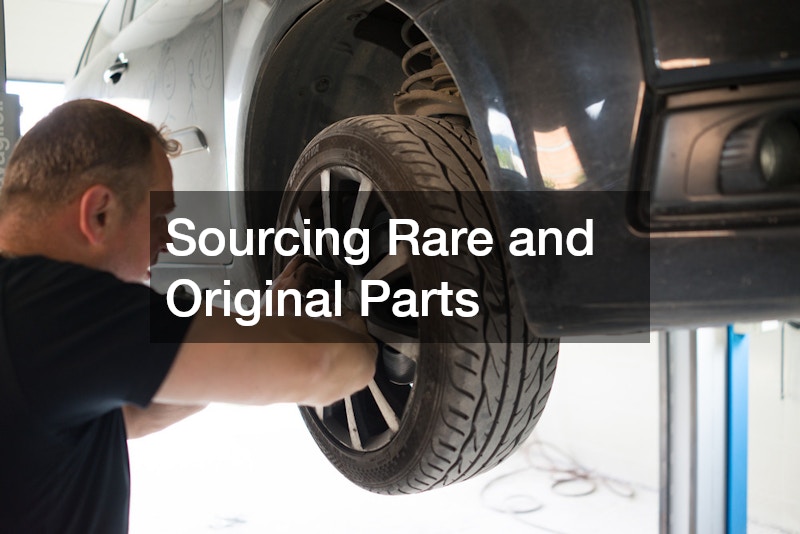
As the restoration begins, the need for specific components becomes urgent. For vintage models, finding original parts can feel like a high-stakes treasure hunt. While many aftermarket manufacturers produce reproduction parts, purists often prefer to find original equipment that matches the era of the vehicle. This search frequently leads builders to explore various scrap yards across the country. These locations are often gold mines for those willing to get their hands dirty and navigate rows of derelict machinery. Finding a rare chrome bumper or a specific interior dashboard clock in such a place can be a highlight of the restoration journey. It takes a certain level of persistence to dig through rows of rusted hulls, but the reward is an authentic build that retains its historical value. Often, these salvaged parts require a bit of cleaning or a light polish, but they offer a fit and finish that modern reproductions sometimes lack. The community around these hunting grounds is also full of knowledge, offering tips on where to find the most elusive pieces.
Establishing Mechanical Reliability
Before a car can look beautiful, it must be safe to drive. The mechanical systems are the heart of the vehicle, and they require meticulous attention. After a car has been sitting for a decade or more, the rubber components, gaskets, and fluids are almost certainly compromised. One of the first major technical hurdles is usually a comprehensive brake repair to ensure the vehicle can stop as well as it moves. This involves more than just changing pads; it often requires replacing master cylinders, hard lines, and calipers that have seized over time. Safety should never be compromised for the sake of aesthetics, and the braking system is the foundation of that safety. Beyond the stopping power, you have to look at the cooling system and the electrical harness. Old wires can become brittle and pose a fire risk, so replacing them is usually a wise move. A car that looks great but cannot be driven reliably is nothing more than a very expensive piece of lawn art, so getting the mechanics right is non-negotiable.
Partnering with Professionals

While many restorers take pride in doing as much work as possible in their own garages, some tasks require specialized tools and diagnostic equipment. This is where the expertise of a local auto repair shop becomes invaluable. A professional mechanic can identify subtle issues that a hobbyist might miss, such as hairline cracks in a block or a slightly bent suspension component. Building a relationship with a trusted shop ensures that the mechanical foundation of the project is solid. These experts can also assist with complex electrical issues or modern upgrades that make a vintage car more drivable in today’s traffic. Having a second pair of eyes on your work can prevent costly mistakes down the line. Furthermore, professional shops often have access to technical databases and torque specifications that are difficult for the average person to find. This partnership allows the owner to focus on the creative aspects while ensuring the technical side is handled with precision. It is about working smarter, not just harder, to reach the final goal.
Restoring Visibility and Glass Integrity
A major component of a vehicle’s appearance and safety is the condition of its windows and mirrors. Old glass often becomes pitted, scratched, or delaminated, which can significantly hinder visibility and detract from the overall look of the car. Seeking out specialized auto glass services is a necessary step to ensure that the windows are perfectly clear and properly sealed. Replacing old, brittle weatherstripping along with the glass prevents moisture from entering the cabin, which is vital for protecting a newly restored interior from mold and rot. In some cases, the glass might be so old that it lacks the safety features of modern tempered or laminated versions. Upgrading these pieces provides an extra layer of security for the driver and passengers. Professionals in this field understand how to handle the delicate trim pieces that surround the windows, which are often irreplaceable on older models. A clear view of the road ahead is a fundamental part of the driving experience, making this stage of the project essential for both form and function.
Structural Repairs and Sheet Metal

Once the mechanical and glass elements are addressed, the focus shifts to the body. This is where the most dramatic visual changes occur. Most old cars have suffered from at least some level of collision damage or environmental wear. Bringing the vehicle to a professional auto body shop is often necessary to handle major metalwork or frame straightening. These facilities have the heavy-duty equipment required to ensure the car is straight and true, which is essential for proper door alignment and overall driving dynamics. Even if the car looks straight to the naked eye, a laser alignment tool can reveal hidden twists in the chassis that would cause uneven tire wear or poor handling. The technicians in these shops are skilled at welding in patch panels to replace rusted sections, ensuring that the repair is as strong as the original metal. This stage requires a lot of heavy lifting and precision, as the quality of the metalwork determines how well the final paint will lay. It is the most physically demanding part of the entire restoration process.
Erasing the Scars of Time
Not every imperfection requires a full panel replacement or a complete repaint. For minor dings and dents that haven’t broken the paint, specialized techniques can be used to restore the surface. Investing in high-quality car dent repairs can save a significant amount of time and money, especially on vehicles where the original paint is still in decent condition. This process involves carefully massaging the metal back into its original shape from behind the panel using specialized rods and lights. It is an art form that requires years of practice to master, but the results are virtually invisible to the naked eye. This approach preserves the factory finish, which is highly valued in the collector market. For those working on a budget, this method offers a way to improve the car’s appearance without the high cost of a full respray. Even on a car destined for new paint, clearing out these small imperfections first ensures a much smoother preparation phase. It is about refining the canvas before the final colors are applied.
Protecting the New Finish
After the body is straight and the paint is fresh, the priority shifts to preservation. Modern paint technology is impressive, but it is still susceptible to rock chips, bird droppings, and UV damage. Many restorers now opt for an application of paint protection film to keep the front end of the car looking pristine. This clear layer acts as a sacrificial barrier, absorbing the impact of road debris and preventing scratches from reaching the actual paint. It is a particularly wise investment for cars that will be driven on the highway or taken to frequent car shows. The application process requires a clean environment and a steady hand to ensure there are no bubbles or misaligned edges. Once applied, the film is almost impossible to see, but it provides a massive amount of peace of mind. For owners who have spent months perfecting their bodywork, this protection is the ultimate insurance policy. It ensures that the first drive out of the garage doesn’t result in a fresh chip on the hood, keeping the car in showroom condition for much longer.
Creative Exterior Options

Sometimes, a traditional paint job isn’t the desired outcome for a project. Some builders want a more unique look or a temporary color change that can be easily reversed. The use of high-end auto wraps has become increasingly popular in the restoration world for this very reason. These vinyl coverings can mimic the look of matte finishes, metallic paints, or even carbon fiber. They provide a level of customization that is difficult to achieve with traditional spray techniques, and they also offer an additional layer of protection for the underlying metal. This is a great choice for those who want to experiment with bold colors without committing to a permanent change. The quality of these materials has improved drastically, with many wraps lasting for several years with proper care. They are also much faster to apply than a multi-stage paint job, allowing the car to get back on the road sooner. Whether it is a full color change or just some custom accents, this technology offers a flexible way to finish the exterior of a restoration project.
The Final Transformation
The very last step in a comprehensive restoration is the deep cleaning and refinement of the interior and exterior surfaces. Even after a car has been painted and mechanical work is finished, it usually carries the dust and residue of the shop environment. A professional car detailing service can provide the final polish that brings the entire project together. This includes deep-cleaning the upholstery, polishing the chrome trim, and ensuring that every nook and cranny is free of debris. It is the final touch that prepares the vehicle for its grand debut. A professional detailer will use high-grade waxes and sealants to enhance the depth of the paint and protect the interior materials from fading. This process often takes several days of meticulous work, but the result is a car that looks like it just rolled off the assembly line. It is the moment when the “junk” truly becomes a “gem,” and the owner can finally step back and admire the fruit of their labor. The transformation is complete, and the car is ready to turn heads on the open road.
Start Your Own Restoration Journey Today
Building a car from the ground up is an experience that stays with you forever. It is a path filled with learning, challenges, and ultimate satisfaction. If you have been staring at a project car in your driveway or dreaming of finding that perfect vintage ride, there is no better time to start than now. The resources and professional services available today make it easier than ever to achieve a high-quality finish. You do not have to do everything alone; the automotive community is full of experts ready to help you cross the finish line. Whether you are looking for advice on a mechanical rebuild or searching for the right professional to handle your bodywork, taking that first step is the most important part. Gather your tools, do your research, and begin the process of bringing a classic back to life. The road ahead is exciting, and the final result will be a source of pride for years to come. Your dream car is waiting to be uncovered, so get out there and start building something incredible.